When "Mean Girls" Isn't Just Drama: Understanding Relational Aggression and How Therapy Can Help
By: Sandra Weatherford, LICSW-S
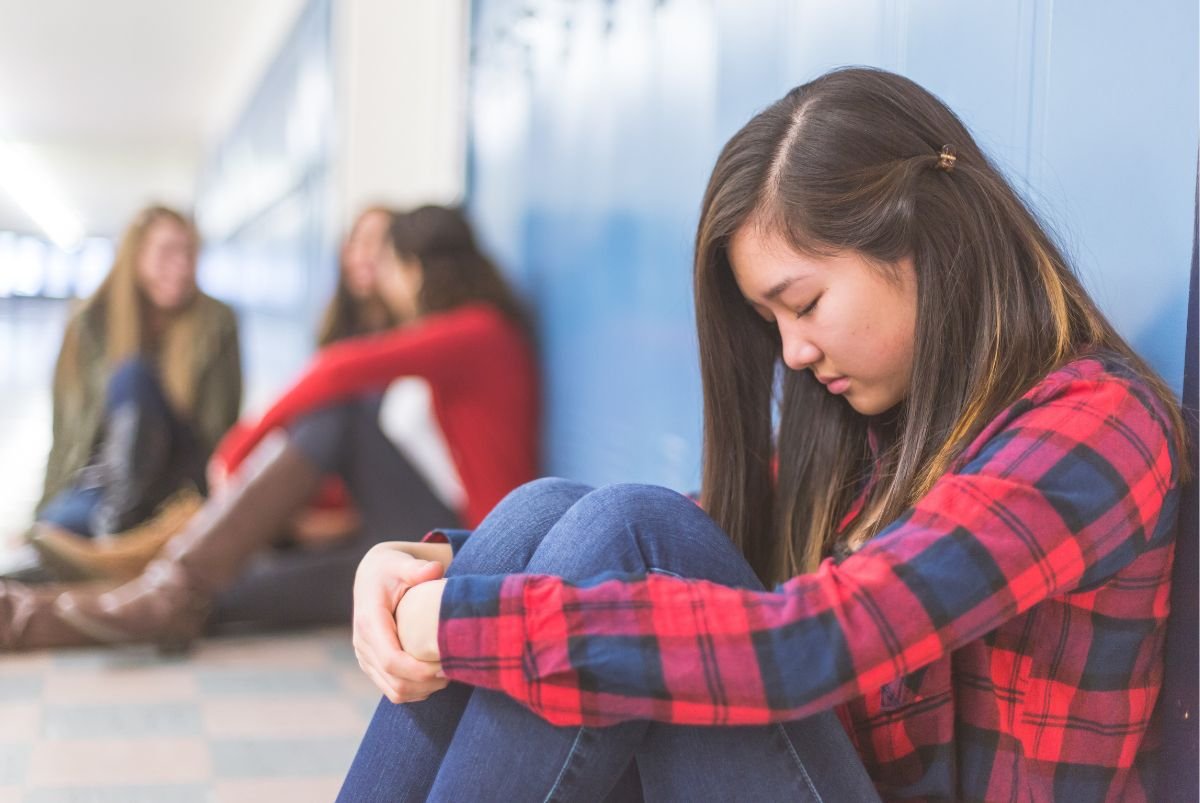
Most people recognize bullying when they see physical aggression—a shove in the hallway, a fight on the playground, or a threatening confrontation. But one of the most damaging forms of bullying often happens quietly, behind the scenes, making it easy for adults to overlook.
Relational aggression is sometimes dismissed as "girl drama," friendship problems, or simply part of growing up. In reality, it can deeply affect a young person's emotional health, sense of identity, and ability to trust others.
At Renewal Counseling, LLC, I have seen firsthand how relational aggression can contribute to anxiety, depression, school avoidance, and lasting emotional pain. The good news is that healing is possible, and therapy can play an important role in helping teens recover.
What Is Relational Aggression?
Relational aggression is the intentional use of relationships, social status, or exclusion to hurt, manipulate, or control another person.
Unlike physical bullying, the injuries aren't visible but they are very real.
Examples include:
Spreading rumors or gossip
Excluding someone from a friend group
Silent treatment used as punishment
Public humiliation
Manipulating friendships
Encouraging others to reject someone
Sharing private information
Creating fake social media accounts
Posting hurtful comments online
Threatening to end friendships to gain control
These behaviors often occur repeatedly, creating chronic stress and emotional insecurity for the targeted student.
Why It Is More Than "Drama"
One of the biggest misconceptions is that relational aggression is simply normal conflict between teenagers.
Healthy conflict involves disagreements where both people have relatively equal power and opportunities to repair the relationship.
Relational aggression is different.
Its purpose is to damage someone's relationships, reputation, or social standing. It often involves an imbalance of power and repeated behaviors that leave the targeted student feeling isolated and helpless.
When adults minimize these experiences by saying things like:
"Just ignore them."
"Girls are just mean sometimes."
"You'll get over it."
"That's just middle school."
They unintentionally communicate that the teen's pain isn't important.
For many young people, these experiences become defining moments that shape how they view themselves and others.
The Hidden Mental Health Impact
Relational aggression affects far more than friendships.
Research has shown it can contribute to:
Anxiety
Depression
Social anxiety
Panic attacks
Low self-esteem
School avoidance
Self-harm
Suicidal thoughts
Difficulty trusting others
Long-term relationship problems
Many high-achieving, well-adjusted students quietly carry these struggles while continuing to earn good grades and participate in extracurricular activities.
Their emotional distress often goes unnoticed until symptoms become severe.
Warning Signs Parents May Notice
Parents are often surprised to learn their child has been experiencing relational aggression for months.
Possible warning signs include:
Suddenly wanting to avoid school
Complaints of headaches or stomachaches
Increased anxiety
Crying after being on social media
Withdrawal from friends
Loss of confidence
Constant worry about fitting in
Difficulty sleeping
Changes in eating habits
Loss of interest in activities they once loved
Sometimes teens won't tell parents what's happening because they fear making things worse or believe adults won't understand.
How Therapy Helps
Experiencing relational aggression can leave teens questioning their worth, replaying painful interactions, and feeling as though they will never belong again.
Therapy provides a safe place to process those experiences while helping teens rebuild confidence and resilience.
Counseling may help teens:
Understand What Happened
Many teens blame themselves for being targeted.
Therapy helps them recognize unhealthy relationship dynamics and understand that someone else's hurtful behavior does not define their value.
Build Healthy Coping Skills
Rather than carrying anxiety into every social interaction, teens learn practical strategies for:
Managing anxiety
Regulating emotions
Setting healthy boundaries
Responding to conflict
Reducing overthinking
Improving self-confidence
Rebuild Self-Esteem
Relational aggression often attacks a person's identity.
Therapy helps teens rediscover their strengths, reconnect with their values, and develop a healthier sense of self that isn't dependent on peer approval.
Strengthen Healthy Relationships
Counseling also helps teens recognize what healthy friendships look like.
They learn to:
Identify trustworthy friends
Communicate effectively
Resolve conflict respectfully
Develop healthier social boundaries
Process Trauma
For some students, relational aggression becomes traumatic.
When the bullying is prolonged or involves public humiliation, betrayal by close friends, or social isolation, the emotional impact can linger long after the behaviors stop.
Therapy helps teens process these experiences so they no longer define their future.
Parents Play an Important Role
Parents often ask,
"Should I let my child work this out on their own?"
While learning conflict resolution is an important life skill, repeated relational aggression is not simply conflict.
Parents can help by:
Listening without immediately trying to solve the problem
Taking their child's experiences seriously
Avoiding statements that minimize the situation
Communicating with school staff when appropriate
Seeking professional support when emotional symptoms continue
Your child's emotional experience deserves validation.
Healing Is Possible
No teenager should feel like they have to navigate emotional bullying alone.
With the right support, teens can heal from relational aggression, rebuild confidence, develop healthier relationships, and regain a sense of safety and belonging.
The emotional wounds may not be visible, but they are treatable.
Recovery begins when someone listens, believes them, and helps them move forward.
Online Teen Therapy for Relational Aggression in Alabama
At Renewal Counseling, LLC, I understand that relational aggression is more than "drama." It can have lasting effects on a young person's emotional well-being, relationships, and overall mental health.
I provide compassionate, evidence-based therapy for adolescents experiencing anxiety, depression, bullying, relational aggression, grief, trauma, and other emotional challenges.
Whether your teen has been excluded, manipulated, bullied online, or is struggling to recover from unhealthy friendships, I am here to help.
If you're looking for teen counseling or therapy for relational aggression in Alabama, contact Renewal Counseling, LLC to learn how I can support your family.
